
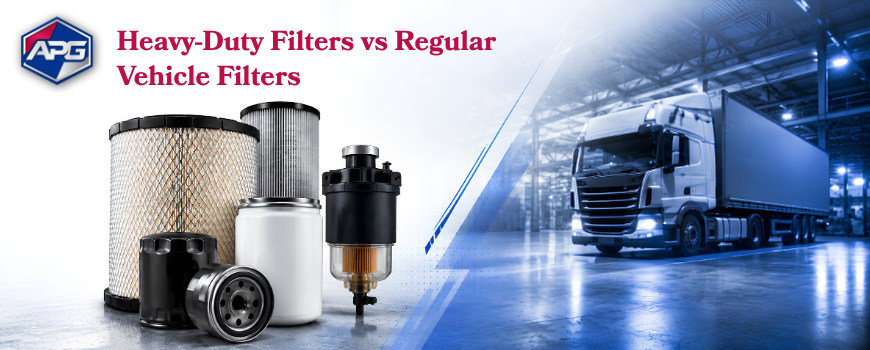
Every vehicle engine depends on a reliable filtration system to maintain performance, efficiency, and durability. Filters may appear to be simple components, but they perform one of the most important jobs inside a vehicle: protecting expensive mechanical parts from harmful contaminants.
Whether it is removing dust from incoming air, cleaning engine oil, or preventing impurities from entering the fuel system, filters help ensure that the engine receives clean and controlled fluids throughout its operation.
However, not all filters are designed for the same purpose.
A passenger car used for daily commuting experiences completely different conditions compared to a heavy truck transporting goods across long distances, a bus operating continuously on busy routes, or a tractor working for several hours in dusty agricultural fields.
This difference in operating conditions is why manufacturers design heavy-duty filters and regular vehicle filters differently.
Heavy-duty filters are engineered for commercial vehicles, agricultural equipment, and industrial machinery that operate under higher loads, longer working hours, and harsher environments. Regular vehicle filters are designed for lighter applications where operating conditions are usually more controlled.
Choosing the wrong type of filter can reduce engine protection, increase maintenance requirements, and shorten the lifespan of expensive vehicle components.
Understanding the difference between heavy-duty filters vs regular vehicle filters helps vehicle owners, fleet managers, workshops, and machinery operators make better maintenance decisions.
APG OEM provides a wide range of filtration solutions for different applications, including heavy-duty vehicle filters designed for trucks, buses, tractors, and industrial equipment.
What Are Heavy-Duty Filters?
Heavy-duty filters are specially designed filtration products created for vehicles and machines that operate in demanding conditions.
These filters are commonly used in industries where vehicles cannot afford frequent downtime, including transportation, agriculture, construction, and manufacturing.
Examples of heavy-duty applications include:
- Cargo trucks
- Passenger buses
- Agricultural tractors
- Construction equipment
- Mining machinery
- Generators
- Industrial engines
Unlike standard vehicle filters, heavy-duty filters are designed to handle much higher levels of contamination and stress.
A commercial truck engine, for example, may operate for hundreds of hours every month while carrying heavy loads. During this time, the engine continuously requires large amounts of clean air, oil, and fuel.
If contaminants enter the engine system, they can cause accelerated wear on important components such as pistons, cylinders, injectors, bearings, and pumps.
Heavy-duty filters are manufactured with stronger materials and advanced filtration capabilities to provide reliable protection even in difficult environments.
These filters are designed to perform under conditions such as:
- High temperatures
- Continuous engine operation
- Dust-heavy environments
- Off-road conditions
- Heavy transportation loads
For businesses operating commercial vehicles, choosing the correct filter is not just a maintenance decision; it is an investment in reducing downtime and protecting vehicle assets.
What Are Regular Vehicle Filters?
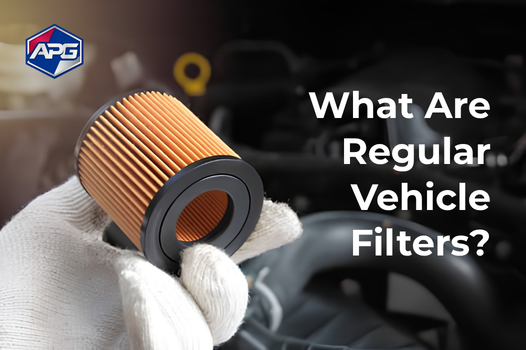
Regular vehicle filters are designed for passenger vehicles and light-duty applications.
They are commonly found in:
- Cars
- SUVs
- Small vans
- Personal transportation vehicles
These filters perform the same basic functions as heavy-duty filters by cleaning air, oil, and fuel. However, their construction and capacity are designed around normal driving conditions.
Most passenger vehicles experience:
- Short daily journeys
- Moderate engine loads
- Cleaner road environments
- Lower operating hours
For example, a family car used for commuting may travel 20–50 kilometres daily. The engine operates for a limited period, and the vehicle is usually driven on paved roads with less exposure to extreme dust.
Because of these conditions, regular vehicle filters do not require the same level of durability and contamination capacity as heavy-duty filters.
However, this does not mean regular filters are less important. They still play a critical role in maintaining engine health and vehicle performance.
The key difference is that each filter type is designed according to the workload and environment of the vehicle.
Why Are Heavy-Duty Filters Different From Regular Vehicle Filters?
The difference between heavy-duty and regular filters is not only about size. Several factors determine why one filter is suitable for a truck while another is designed for a passenger car.
These differences include filtration capacity, material strength, operating conditions, durability, and protection requirements.
1. Difference in Operating Conditions
The biggest difference between heavy-duty and regular filters is the environment where they are used.
Heavy-duty vehicles are often required to operate continuously under challenging conditions.
For example, a cargo truck may travel thousands of kilometres every month while carrying heavy loads. A bus may run multiple shifts every day transporting passengers. A tractor may operate in fields where dust and soil particles are constantly present.
These conditions create a much higher demand on the filtration system.
Heavy-duty filters are designed to handle:
- Greater dust exposure
- Longer operating hours
- Higher engine temperatures
- Increased fuel consumption
- Continuous workload
On the other hand, regular vehicle filters are designed for normal passenger use.
A car owner usually does not expose the engine to the same level of stress as a commercial fleet operator.
This is why using a passenger vehicle filter in a heavy-duty application can create problems because the filter may become blocked faster and may not provide sufficient protection.
2. Difference in Filtration Capacity
Heavy-duty engines require significantly more air and fuel compared to smaller engines.
A large diesel truck engine consumes much more air during operation than a small passenger car engine. Because of this, heavy-duty filters need a greater filtration capacity.
Heavy-duty filters usually have:
- Larger filtration surfaces
- More durable filter media
- Higher dirt-holding capacity
- Stronger contamination resistance
For example, a truck operating on construction sites may encounter large amounts of dust and debris every day. The air filter must continue working effectively even when exposed to these conditions.
High-quality air filters help prevent harmful particles from entering the combustion chamber, supporting better engine efficiency and reducing unnecessary wear.
A blocked or low-quality air filter can reduce airflow, affect combustion, and increase fuel consumption.
3. Difference in Filter Construction and Materials
The materials used in heavy-duty filters are usually selected for durability and long-term performance.
Heavy-duty filters often include:
- Reinforced filter structures
- Stronger sealing systems
- Higher-grade filtration materials
- Improved resistance against vibration
- Durable outer protection
This construction allows them to operate reliably in environments where vehicles experience constant movement, vibration, and exposure to contaminants.
For example, construction machinery works around sand, soil, and debris. Agricultural tractors operate in fields where dust levels can be extremely high.
A regular filter may not be designed to survive these conditions for long periods.
Heavy-duty filtration systems are built specifically to maintain performance in these demanding environments.
4. Difference in Oil and Fuel Protection
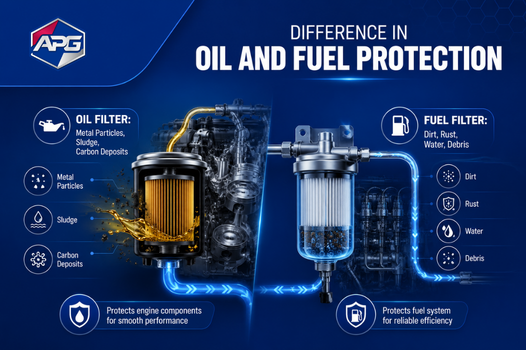
A vehicle’s filtration system is not limited to air filtration. Oil and fuel filters also play an important role in protecting engine performance.
Heavy-duty engines operate under much greater stress compared to regular passenger vehicles. Because of this, they require filtration systems capable of handling higher levels of contamination.
Heavy-Duty Oil Filters
Engine oil continuously circulates through internal engine components to reduce friction and heat. During operation, oil collects tiny particles created from normal engine wear.
A heavy-duty oil filter is designed to remove these contaminants before they circulate back through the engine.
For trucks, buses, tractors, and machinery, effective oil filtration helps protect:
- Engine bearings
- Pistons
- Cylinders
- Moving mechanical components
Using suitable oil filters helps maintain cleaner oil circulation and reduces the risk of premature engine wear.
A passenger vehicle oil filter may work well for normal driving conditions, but it may not have the capacity required for a commercial diesel engine operating under heavy loads.
Heavy-Duty Fuel Filters
Fuel quality has a direct impact on engine performance, especially in diesel-powered vehicles.
Diesel engines used in trucks, buses, and agricultural machinery are highly sensitive to fuel contamination. Small particles, water, or impurities can damage expensive components such as fuel injectors and pumps.
Heavy-duty fuel filters are designed to provide stronger protection against:
- Dirt particles
- Rust contamination
- Water separation issues
- Fuel impurities
Reliable fuel filters help maintain cleaner fuel delivery and protect the fuel system from unnecessary damage.
For fleet owners and machinery operators, maintaining proper fuel filtration can prevent costly repairs and unexpected downtime.
5. Difference in Service Life and Maintenance Requirements
Another major difference between heavy-duty and regular vehicle filters is how they are designed around maintenance schedules.
Commercial vehicles often cannot stop frequently because downtime directly affects business operations.
A truck used for transportation, for example, may generate revenue every day it operates. If a filtration problem causes engine issues, the owner may face:
- Delivery delays
- Repair expenses
- Lost working hours
- Increased operating costs
Heavy-duty filters are designed with higher durability and contamination capacity to support longer operating periods.
However, this does not mean they should be ignored.
Filter replacement should always depend on:
- Vehicle manufacturer recommendations
- Operating environment
- Driving conditions
- Fuel quality
- Dust exposure
A truck operating on highways may have different maintenance needs compared to a tractor working in dusty fields.
Regular inspection helps identify filter blockage before it affects engine performance.
Heavy-Duty Filters vs Regular Vehicle Filters: Complete Comparison
| Feature | Heavy-Duty Filters | Regular Vehicle Filters |
| Main Application | Trucks, buses, tractors, machinery | Cars, SUVs, small vans |
| Engine Type | Large diesel and industrial engines | Small petrol and diesel engines |
| Operating Hours | Long continuous operation | Limited daily usage |
| Working Environment | Dusty, industrial, agricultural areas | Normal roads and cities |
| Filter Capacity | Higher contamination holding capacity | Moderate filtration capacity |
| Construction | Stronger materials and reinforced design | Standard construction |
| Maintenance Requirement | Designed for demanding schedules | Designed for regular service intervals |
| Cost | Higher due to advanced design | Lower due to lighter application |
| Durability | Built for harsh conditions | Built for normal driving |
Why Trucks and Buses Need Heavy-Duty Filters
Trucks and buses are among the most demanding vehicle categories because they operate under continuous pressure.
A commercial truck may carry several tonnes of cargo while travelling long distances. A passenger bus may run multiple trips every day with minimal downtime between journeys.
These vehicles experience:
- Higher engine loads
- Increased fuel consumption
- Longer running hours
- Greater exposure to dust and pollution
Because of these conditions, standard vehicle filters are usually not suitable.
Fleet operators should always choose application-specific filtration solutions.
For example, using suitable truck filters helps maintain reliable engine protection in commercial transportation applications.
Similarly, buses require filters designed according to their engine specifications and operating conditions. Quality bus filters help support the long-term reliability of passenger transport vehicles.
The correct filter choice reduces maintenance problems and helps commercial operators avoid unnecessary vehicle downtime.
Why Tractors and Agricultural Machinery Need Special Filters
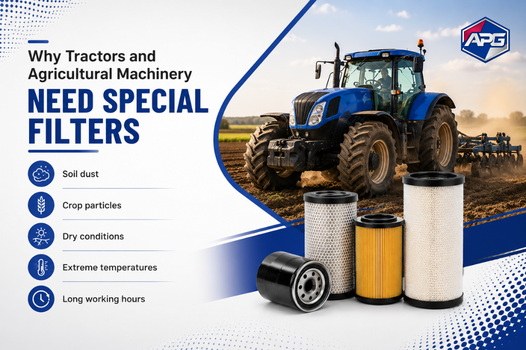
Agricultural equipment operates in some of the most challenging environments for any engine.
Unlike passenger vehicles that usually operate on clean roads, tractors and machinery often work directly in areas with:
- Soil dust
- Crop particles
- Dry conditions
- Extreme temperatures
- Long working hours
During farming operations, engines continuously pull air containing large amounts of dust and debris. Without proper filtration, these particles can enter the engine and cause internal damage.
Using appropriate tractor filters helps protect agricultural equipment and maintain consistent performance.
For farmers and agricultural businesses, filter maintenance is especially important because equipment failure during planting or harvesting seasons can create major productivity losses.
The right filtration system helps ensure machinery remains reliable when it is needed most.
Can You Use Regular Vehicle Filters in Heavy Equipment?
Using regular vehicle filters in heavy-duty applications is not recommended.
Although some filters may appear similar in size or design, they are not always engineered for the same operating conditions.
A regular filter installed in a heavy-duty vehicle may experience:
- Faster clogging
- Reduced filtration efficiency
- Shorter service life
- Poor engine protection
For example, a passenger car air filter may not handle the dust levels experienced by a tractor working in agricultural fields.
Similarly, a light-duty fuel filter may not provide enough protection for a large diesel truck fuel system.
Before purchasing any replacement filter, always confirm:
- Vehicle model
- Engine specifications
- Filter type
- OEM reference number
- Operating environment
How to Select the Right Heavy-Duty Filter
Choosing the correct heavy-duty filter requires more than searching by vehicle name.
Follow these important steps:
Check Vehicle Information
Always collect accurate information, including:
- Manufacturer
- Model
- Manufacturing year
- Engine type
- Equipment category
A single vehicle model may have multiple engine options, so accurate details are important.
Identify the Filter Category
Different systems require different filters.
Common categories include:
- Air filters
- Oil filters
- Fuel filters
- Hydraulic filters
- Cabin filters
Each filter performs a different function and cannot replace another type.
Check the OEM Number
The OEM part number is one of the most reliable ways to identify the correct replacement.
It helps avoid mistakes caused by:
- Similar-looking filters
- Different engine variants
- Incorrect vehicle matching
Consider the Working Environment
The same vehicle may require different maintenance attention depending on where it operates.
For example:
A highway truck may experience less dust exposure than a construction truck.
A farm tractor may require more frequent filter inspection because of constant exposure to soil and agricultural particles.
Purchase From a Reliable Supplier
Buying from a trusted supplier ensures better product matching and reduces the risk of using unsuitable components.
APG OEM provides a wide range of automotive parts and filters for different vehicles, engines, and machinery applications.
Common Mistakes When Choosing Heavy-Duty Filters
Selecting Filters Only by Appearance
Two filters can look almost identical but have completely different internal designs.
The correct filter depends on specifications, not appearance.
Choosing the Cheapest Option
A low-cost filter may seem attractive initially, but poor filtration quality can lead to expensive engine repairs.
Ignoring Replacement Timing
A blocked filter reduces system efficiency and increases stress on vehicle components.
Using Passenger Vehicle Filters in Commercial Equipment
Heavy vehicles require filters designed specifically for their workload and environment.
Not Checking Compatibility
Always verify the correct application before installation.
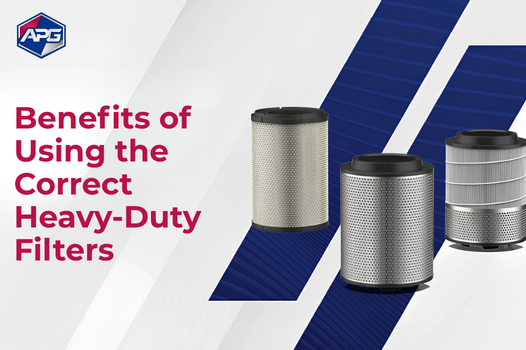
Benefits of Using the Correct Heavy-Duty Filters
Using the right filtration system provides several long-term benefits.
Improved Engine Protection
Quality filters prevent harmful contaminants from reaching sensitive engine components.
Better Vehicle Reliability
Proper filtration reduces the chances of unexpected failures.
Longer Equipment Life
Clean air, oil, and fuel help reduce internal engine wear.
Reduced Maintenance Costs
Preventive filter replacement is usually much cheaper than repairing damaged engine components.
Improved Performance
A properly maintained filtration system helps engines operate efficiently.
Frequently Asked Questions
What is the difference between heavy-duty filters and regular vehicle filters?
Heavy-duty filters are designed for trucks, buses, tractors, and machinery operating in demanding environments. Regular vehicle filters are designed for passenger cars and light-duty vehicles.
Why do heavy-duty vehicles need special filters?
Heavy-duty vehicles operate longer, carry heavier loads, and experience higher levels of dust and contamination. They require stronger filtration systems for reliable protection.
Can I install a truck filter in my car?
No. Filters should always match the vehicle’s specifications. A larger or heavier filter does not automatically provide better performance.
How often should heavy-duty filters be replaced?
Replacement intervals depend on vehicle type, manufacturer recommendations, working conditions, and operating environment.
Do tractors require different filters from cars?
Yes. Tractors operate in dusty agricultural environments and require filters designed for higher contamination levels.
Are heavy-duty filters more expensive?
Usually, yes. They cost more because they use stronger materials and provide higher filtration capacity.
What happens if I use the wrong filter?
The wrong filter can reduce protection, restrict airflow, allow contaminants into the system, and increase engine wear.
Conclusion
Heavy-duty filters and regular vehicle filters may serve the same basic purpose, but they are designed for completely different operating conditions.
Regular vehicle filters are suitable for normal passenger vehicles, while heavy-duty filters are engineered for trucks, buses, tractors, and machinery that operate under demanding conditions.
Choosing the correct filter improves engine protection, reduces maintenance issues, and helps extend the life of expensive equipment.
Whether you manage a commercial fleet, operate agricultural machinery, or maintain industrial equipment, selecting the right filtration system is an important part of preventive maintenance.
APG OEM offers reliable filtration solutions for different automotive and industrial applications.
Explore APG OEM’s complete range of filters and vehicle maintenance products, or contact APG OEM with your vehicle details, OEM number, or current filter information to find the right replacement.