
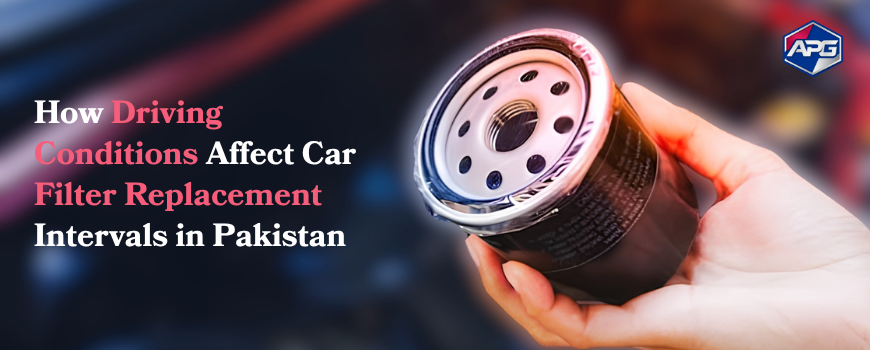
Many drivers replace their car filters according to a fixed kilometre limit. While the vehicle manual provides an important maintenance schedule, driving conditions also affect how quickly a filter becomes dirty or loses efficiency.
A car driven mainly on clean motorways may not place the same load on its filters as a vehicle used daily in traffic, dust, heat, rainwater, or damaged roads.
Pakistan has many different driving environments. A vehicle in Lahore may face heavy traffic, dust, and smog. A vehicle in Karachi may experience humidity and salty coastal air. Cars in rural areas may regularly travel on unpaved roads. Vehicles in northern areas may face steep routes and changing temperatures.
Because of these differences, drivers should understand how their surroundings affect filter condition.
Regular inspection and timely replacement can help protect the engine, improve airflow, maintain cabin comfort, and reduce avoidable repair costs.
Why Cars Need Different Filters
A vehicle uses several filters to protect different systems.
The main filters include:
- Engine air filter
- Engine oil filter
- Fuel filter
- Cabin AC filter
- Diesel water separator
- Heavy-duty filters for commercial vehicles
Each filter removes unwanted particles from air, oil, or fuel.
The engine air filter helps prevent dust and dirt from entering the engine. The oil filter removes contaminants circulating in engine oil. The fuel filter protects the fuel-delivery system, while the cabin filter cleans the air entering the passenger area.
Each filter performs a different job, so drivers should inspect and replace them according to their condition and vehicle usage.
Why Standard Replacement Intervals Are Not Always Enough
A replacement interval is usually based on normal driving conditions.
However, many vehicles operate under severe conditions without their owners realising it.
Severe driving conditions may include:
- Frequent short journeys
- Long periods in slow traffic
- Driving on dusty roads
- Regular engine idling
- High summer temperatures
- Carrying heavy loads
- Commercial use
- Repeated stop-and-go driving
- Driving through water or mud
- Long-distance operation in hot weather
Under these conditions, filters may need to be inspected and replaced sooner.
This does not mean drivers should ignore the vehicle manual. The manual should remain the main maintenance guide. However, filter condition should also be checked during routine servicing.
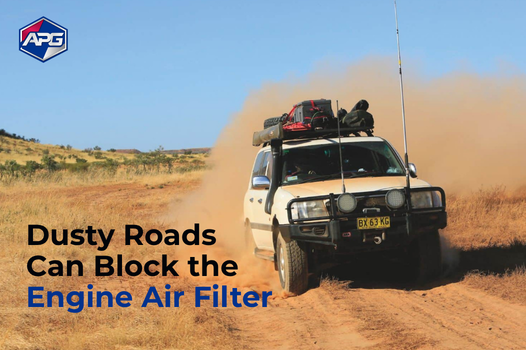
1. Dusty Roads Can Block the Engine Air Filter
The engine air filter removes dust and airborne particles before air enters the engine.
When a car travels on dusty roads, the filter collects contaminants more quickly. This commonly happens on:
- Construction routes
- Village roads
- Industrial areas
- Unpaved streets
- Dry agricultural roads
- Roads with loose soil
- Areas affected by development work
A heavily clogged air filter may restrict the amount of air reaching the engine.
Possible signs include:
- Slow acceleration
- Reduced engine response
- Increased fuel consumption
- Dark or dirty filter material
- Unusual intake noise during acceleration
Drivers using their vehicles in dusty environments should inspect the engine air filter during every regular service.
Commercial vehicles working in demanding environments may require larger filters, such as a heavy-duty Foton air filter, designed for vehicles operating under heavier workloads.
2. Heavy Traffic Increases Engine Operating Time
Kilometres are not the only measure of vehicle use.
A car may travel only a short distance while remaining on the road for several hours because of traffic.
During slow-moving traffic:
- The engine continues running
- Oil continues circulating
- The cooling system remains active
- The air intake continues pulling in surrounding air
- The cabin AC system continues filtering polluted air
This means a vehicle used daily in congested areas may experience more operating hours than its mileage suggests.
Drivers in busy cities should avoid judging maintenance needs only by the odometer. Time, engine hours, driving environment, and filter condition also matter.
3. Smog and Air Pollution Affect Air Filters
Urban air may contain dust, smoke, soot, pollen, and other small particles.
These contaminants can affect both the engine air filter and the cabin AC filter.
The engine air filter protects the engine’s intake system. The cabin filter helps reduce the amount of dust and airborne material entering the passenger area through the ventilation system.
A dirty cabin filter may cause:
- Weak airflow from AC vents
- Dust inside the vehicle
- Unpleasant smells
- Noisy blower operation
- Slow windscreen demisting
- Reduced AC comfort
Cabin filters often receive less attention than oil and air filters. However, they are especially important for vehicles used in polluted or dusty cities.
4. High Temperatures Affect Engine Oil and Oil Filters
Pakistan experiences extremely high temperatures during summer.
Engine oil operates under heat, pressure, and continuous movement. Its purpose is to lubricate moving engine parts, reduce friction, carry heat, and hold contaminants until they reach the oil filter.
The oil filter traps many of the unwanted particles circulating in the oil.
High temperatures, traffic, long idling periods, heavy loads, and extended journeys can place additional stress on both the oil and the filter.
The oil filter should normally be replaced during the engine oil change unless the vehicle manufacturer provides different instructions.
For heavy-duty diesel engines, products such as the Fleetguard LF670 oil filter are developed for demanding commercial applications.
5. Short Trips Can Be Hard on the Engine
Many drivers believe short journeys are easier on a vehicle because fewer kilometres are covered.
However, repeated short trips may create difficult operating conditions.
During a short journey, the engine may not remain at its normal operating temperature for long enough. Moisture and other contaminants may remain inside the engine oil.
Frequent cold starts may also increase the workload on the engine.
Examples of repeated short-trip use include:
- School pick-and-drop
- Nearby office travel
- Local shopping
- Short delivery routes
- Multiple daily errands
- Driving for only a few minutes at a time
Drivers who mainly use their cars for short journeys should follow the severe-service instructions in their vehicle manual and inspect the oil and filters regularly.
6. Fuel Quality Can Affect the Fuel Filter
The fuel filter removes contaminants before fuel reaches sensitive engine components.
Contaminated fuel may contain:
- Dirt
- Rust particles
- Tank deposits
- Moisture
- Other unwanted material
The risk may increase when fuel is stored in poorly maintained tanks or purchased from unreliable sources.
A restricted fuel filter may cause:
- Difficulty starting
- Weak acceleration
- Engine hesitation
- Loss of power under load
- Rough engine operation
- Stalling
- Reduced fuel delivery
The Guard Standard Series fuel filter is one example of a filtration product designed to support cleaner fuel delivery.
Drivers should avoid waiting for serious performance problems before inspecting the fuel filter.
7. Monsoon Weather Can Change Filter Condition
Rainy weather creates different maintenance risks.
Water, mud, moisture, and road debris may reach areas around the air intake and engine compartment.
Driving through deep water can be particularly dangerous. Water entering the engine air intake can cause serious engine damage.
After travelling through flooded or heavily waterlogged roads, check:
- Engine air filter
- Air-filter housing
- Cabin filter
- Engine oil condition
- Electrical connections
- Brakes
- Underbody components
A wet air filter should not simply be left inside the vehicle. The cause of water entry should be investigated, and the filter should be replaced when necessary.
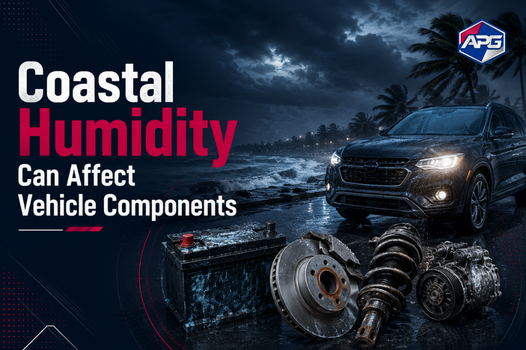
8. Coastal Humidity Can Affect Vehicle Components
Vehicles used in coastal environments may face humidity and salty air.
Although filters cannot prevent every moisture-related problem, regular inspection can help drivers identify:
- Corrosion around filter housings
- Damaged metal surfaces
- Weak clamps
- Cracked hoses
- Moisture inside air boxes
- Worn rubber seals
Drivers in humid areas should pay attention to both the filter and the components surrounding it.
9. Heavy Loads Increase Engine Stress
Vehicles carrying passengers, goods, equipment, or commercial loads may work harder than lightly used cars.
Heavy loads can increase:
- Engine temperature
- Fuel demand
- Oil temperature
- Cooling-system workload
- Air-intake demand
This is particularly important for:
- Delivery vans
- Trucks
- Buses
- Fleet vehicles
- Construction vehicles
- Agricultural machinery
- Generators
- Commercial pickups
Heavy-duty vehicles require planned inspections rather than waiting for performance problems.
The Hino FL outer air filter is an example of a larger filtration product developed for commercial diesel vehicles.
10. Cooling-System Condition Also Matters
Filters are only one part of preventive vehicle maintenance.
During hot weather, the cooling system must also be checked. Low coolant, leaking hoses, a blocked radiator, a damaged radiator cap, or poor coolant condition can contribute to overheating.
Coolant helps manage engine temperature and protect cooling-system components.
Drivers can review different products through the APG coolant collection.
Available options include products such as Guard anti-rust and anti-freeze coolant and Kangaroo Cosmic radiator coolant.
Always select coolant according to the vehicle manufacturer’s instructions. Do not choose coolant only by its colour.
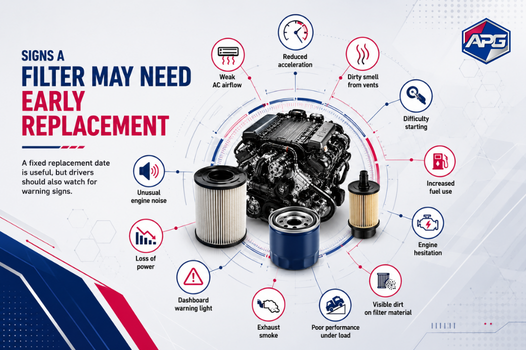
Signs a Filter May Need Early Replacement
A fixed replacement date is useful, but drivers should also watch for warning signs.
Possible signs include:
- Reduced acceleration
- Weak AC airflow
- Dirty smell from vents
- Difficulty starting
- Increased fuel use
- Engine hesitation
- Visible dirt on filter material
- Unusual engine noise
- Loss of power
- Dashboard warning light
- Exhaust smoke
- Poor performance under load
These symptoms can have several causes. A mechanic should inspect the complete system before replacing parts.
How Often Should Filters Be Inspected?
There is no single inspection interval that suits every vehicle.
The correct schedule depends on:
- Vehicle model
- Engine type
- Fuel type
- Filter type
- Driving environment
- Daily mileage
- Operating hours
- Vehicle load
- Road quality
- Maintenance history
A practical approach is to inspect filters during every routine service.
Drivers operating in dust, traffic, heat, floodwater, or commercial conditions should ask their mechanic whether more frequent inspection is necessary.
Fleet operators can also use a heavy-vehicle filter replacement checklist to organise inspections and avoid missed maintenance.
A Simple Filter Inspection Checklist
Engine Air Filter
Check whether:
- The filter is heavily covered in dust
- The filter is wet
- The material is torn or damaged
- The air box contains dirt
- The housing is properly closed
Oil Filter
Check whether:
- Oil is leaking around the filter
- The filter was changed with the engine oil
- The filter is securely installed
- The sealing surface is clean
Fuel Filter
Check whether:
- Fuel is leaking
- The engine is losing power
- The filter is overdue
- Water is present in a diesel separator
Cabin AC Filter
Check whether:
- Airflow is weak
- Dust is coming from the vents
- The AC produces an unpleasant smell
- The filter contains leaves or debris
When product selection or maintenance information is needed, drivers can contact the APG Help Center.
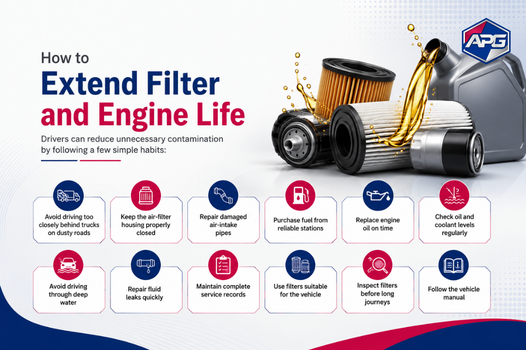
How to Extend Filter and Engine Life
Drivers can reduce unnecessary contamination by following a few simple habits:
- Avoid driving too closely behind trucks on dusty roads
- Keep the air-filter housing properly closed
- Repair damaged air-intake pipes
- Purchase fuel from reliable stations
- Replace engine oil on time
- Check oil and coolant levels regularly
- Avoid driving through deep water
- Repair fluid leaks quickly
- Maintain complete service records
- Use filters suitable for the vehicle
- Inspect filters before long journeys
- Follow the vehicle manual
Filters are affordable compared with the engine parts they help protect.
Conclusion
Car filter replacement should not depend only on kilometres.
Dust, traffic, heat, short journeys, poor roads, heavy loads, pollution, rainwater, and fuel condition can all affect how quickly filters become dirty.
The best approach is to follow the vehicle manual while also inspecting filter condition during routine maintenance. Vehicles operating under severe conditions may require earlier inspection or replacement.
Timely maintenance can support cleaner airflow, smoother engine performance, reliable fuel delivery, improved cabin comfort, and longer component life.
Keep your vehicle prepared for demanding driving conditions. Visit the APG online shop to explore filters, coolants, and vehicle-care products suitable for different maintenance requirements.
Frequently Asked Questions
Does driving on dusty roads reduce air-filter life?
Yes. Dusty roads can fill an engine air filter more quickly. Vehicles used in dusty areas should have the filter inspected more frequently.
Should I replace my oil filter every time I change engine oil?
In most vehicles, the oil filter is replaced during the engine oil change. Always follow the maintenance instructions provided for your vehicle.
Can heavy traffic affect filter replacement intervals?
Yes. A vehicle may spend many hours running in traffic while covering limited kilometres. This can increase engine operating time and expose air filters to more pollution.
How do I know if my cabin filter is dirty?
Common signs include weak airflow, unpleasant smells, dust from the vents, noisy blower operation, and slow windscreen demisting.
Can I clean and reuse an engine air filter?
It depends on the filter type. Many standard paper air filters are designed for replacement rather than washing. Washing can damage the filter material.
Does hot weather damage filters?
High temperatures can place additional stress on engine oil, cooling systems, seals, and filter components. Regular inspection becomes more important during summer.
What should I check after driving through floodwater?
Check the engine air filter, air box, engine oil, cabin filter, brakes, electrical connections, and underbody. Have the vehicle professionally inspected if water reached a significant level.
Why does my car lose power when accelerating?
A dirty air filter or restricted fuel filter may contribute to power loss, but many other problems can cause the same symptom. A complete inspection is recommended.