
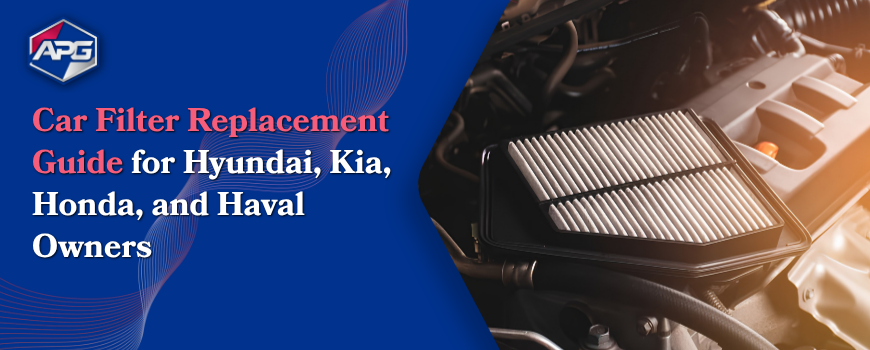
Filters may look like small parts, but they play a major role in vehicle performance. Whether you drive a Hyundai, Kia, Honda, Haval, or any daily-use vehicle, your engine depends on clean oil, clean air, clean fuel, and proper cabin airflow. When filters become dirty or blocked, the vehicle may feel heavy, fuel average can drop, acceleration can become weak, and the engine may work harder than normal.
Many car owners wait until they notice a serious issue before replacing filters. That is not the best approach. Filters are maintenance parts, which means they should be checked and replaced on time. A good replacement schedule protects the engine, improves driving comfort, and helps avoid unnecessary repair costs.
APG makes it easier for drivers, workshops, and parts buyers to explore reliable replacement options through its Shop, where vehicle maintenance products are available for different models and needs.
Why Filters Are Important for Daily Driving
Your vehicle works in dusty roads, traffic, heat, rain, and stop-and-go driving conditions. Over time, oil collects particles, air filters trap dust, cabin filters collect pollutants, and fuel filters help prevent impurities from entering the system.
If any of these filters become clogged, the vehicle may not perform the way it should. A dirty oil filter can reduce clean lubrication. A blocked air filter can restrict airflow. A poor cabin filter can affect AC performance and interior air quality. A weak fuel filter can disturb smooth fuel supply.
For everyday car owners, timely filter replacement is one of the simplest ways to maintain performance without making expensive changes.
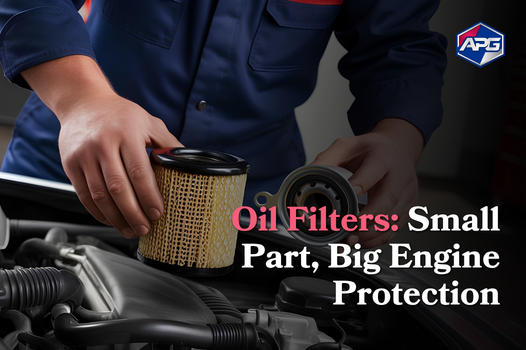
Oil Filters: Small Part, Big Engine Protection
The oil filter removes dirt, metal particles, and harmful contaminants from engine oil. Clean oil is important because it lubricates moving engine parts and helps reduce friction. If the oil filter becomes clogged or weak, dirty oil may circulate inside the engine and increase wear over time.
Drivers using Hyundai and Kia models can explore options like the Hyundai / Kia Oil Filter GDO-168 for routine maintenance. Kia Sportage owners can also check the Kia Sportage Oil Filter GDO-125 when planning their next oil service.
Oil filters should usually be replaced with every oil change. This keeps the fresh oil cleaner for longer and supports smoother engine operation.
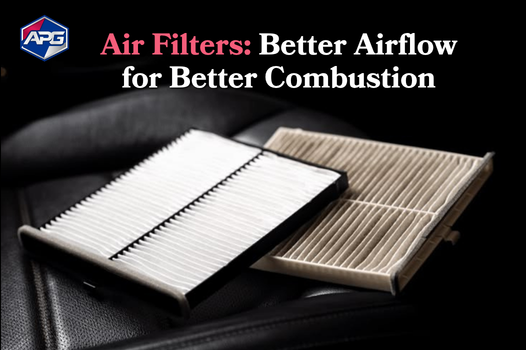
Air Filters: Better Airflow for Better Combustion
An engine needs clean air to burn fuel properly. The air filter prevents dust, sand, and other particles from entering the engine. When the filter is clean, airflow remains balanced. When it is dirty, the engine may struggle to breathe.
A blocked air filter can cause poor pickup, higher fuel consumption, rough driving, and reduced engine response. In dusty areas, air filters may need more frequent checking.
Drivers looking for model-specific options can review the Air Filter category. For newer Hyundai owners, the Hyundai Elantra 2021–2024 Air Filter GDA-2072 is an example of a product made to support clean airflow and engine protection.
Cabin AC Filters: Cleaner Air Inside the Car
The cabin AC filter is often ignored, but it affects driving comfort. It helps trap dust, pollen, smoke particles, and airborne contaminants before air enters the cabin. If the cabin filter becomes dirty, the AC may feel weak, the interior may smell unpleasant, and passengers may notice more dust inside the car.
For families, daily commuters, and ride-hailing drivers, cabin filter replacement is especially important. Clean cabin airflow improves comfort and makes the driving experience fresher.
Owners of Kia Sportage and Hyundai Tucson can consider the Kia Sportage / Hyundai Tucson 2020 AC Filter GDA-014AC when replacing the cabin filter during AC service.
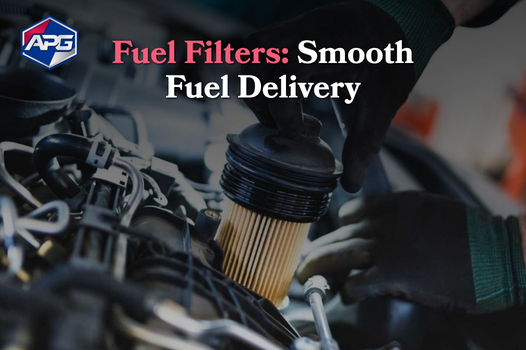
Fuel Filters: Smooth Fuel Delivery
Fuel filters help stop dirt, rust, and impurities from reaching the fuel system. A weak or clogged fuel filter can cause hard starting, poor acceleration, jerks, and reduced engine efficiency. This is especially important for vehicles that travel long distances or use fuel from different stations.
Workshops and car owners can browse the Fuel Filter category to find suitable options for different vehicle applications.
A fuel filter does not need replacement as frequently as an oil filter, but it should not be ignored. Following the vehicle’s maintenance schedule is the safest approach.
How Often Should Filters Be Replaced?
There is no single replacement interval for every car because driving conditions matter. A car driven mostly on clean highways may keep filters cleaner for longer. A car used in city traffic, dusty roads, commercial driving, or hot weather may need earlier replacement.
As a general rule, oil filters should be replaced with oil changes. Air filters should be checked regularly and replaced when dirty. Cabin AC filters should be replaced when airflow becomes weak, odor appears, or dust increases inside the car. Fuel filters should be changed according to vehicle recommendations or when symptoms appear.
The best approach is simple: inspect filters during routine service instead of waiting for performance problems.
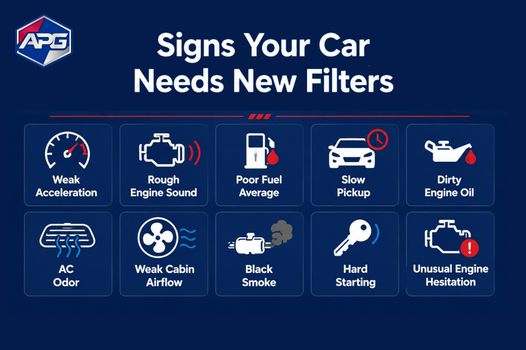
Signs Your Car Needs New Filters
Your vehicle may show small warning signs before a filter becomes a serious problem. These signs include weak acceleration, rough engine sound, poor fuel average, slow pickup, dirty engine oil, AC odor, weak cabin airflow, black smoke, hard starting, and unusual engine hesitation.
These problems can have different causes, but dirty filters are one of the first things workshops should inspect. Replacing the right filter at the right time can restore smoother performance and prevent unnecessary stress on the engine.
Why Choosing the Right Filter Matters
A filter must fit correctly and perform consistently. A poor-quality or wrong-size filter can cause leakage, weak filtration, poor airflow, or installation problems. Vehicle owners should choose filters based on model compatibility, part number, and product quality.
For example, Haval Jolion owners need an oil filter designed for their vehicle application, such as the Great Wall Haval Jolion Oil Filter 1017100-EG01. Correct fitment helps maintain oil pressure, sealing, and reliable engine protection.
FAQs
Which car filter should be replaced most often?
The oil filter is usually replaced most often because it should be changed with every oil service. Air filters and cabin filters should also be checked regularly.
Can a dirty air filter reduce fuel average?
Yes. A dirty air filter can restrict airflow, which may affect combustion and reduce fuel efficiency.
Is a cabin AC filter necessary?
Yes. A cabin AC filter helps improve interior air quality and supports better AC airflow.
Can I use any oil filter if it fits?
No. The filter should match the vehicle model, thread size, sealing design, and filtration requirement. Always choose the correct filter for the vehicle.
When should I check my fuel filter?
Check the fuel filter if the vehicle has hard starting, poor acceleration, jerks, or fuel delivery issues.
Conclusion
Regular filter replacement is one of the easiest ways to protect your vehicle. Oil filters support clean lubrication, air filters improve engine breathing, cabin AC filters improve interior comfort, and fuel filters support smooth fuel delivery. When these parts are maintained on time, your vehicle feels smoother, cleaner, and more reliable.
For reliable car filters and maintenance products, visit APG and find the right parts to keep your vehicle performing at its best.