A vehicle does not usually develop a major problem without providing some warning.
Small signs often appear first. These may include a fluid leak, weak AC airflow, dark engine oil, low coolant, slow acceleration, difficult starting, or unusual engine noise.
When these signs are ignored, a simple maintenance requirement can turn into an expensive repair.
Preventive maintenance means checking and servicing the vehicle before a breakdown happens. It helps owners identify wear, contamination, leakage, and low fluid levels at an early stage.
Two important parts of preventive maintenance are filters and fluids.
Filters remove harmful contaminants. Fluids lubricate, cool, clean, protect, and transfer force inside different vehicle systems.
This guide explains the main filters and fluids every driver should understand.
Why Preventive Maintenance Matters
A vehicle contains many moving components working under heat, pressure, friction, and vibration.
Without regular maintenance:
- Engine oil may lose its effectiveness
- Filters may become restricted
- Coolant may fall below the required level
- Brake fluid may become contaminated
- Transmission fluid may deteriorate
- Leaks may go unnoticed
- Engine temperature may increase
- Fuel delivery may become restricted
Preventive maintenance can help:
- Reduce sudden breakdowns
- Improve vehicle reliability
- Protect important components
- Maintain smooth performance
- Support fuel efficiency
- Reduce long-term repair costs
- Improve resale condition
1. Engine Oil
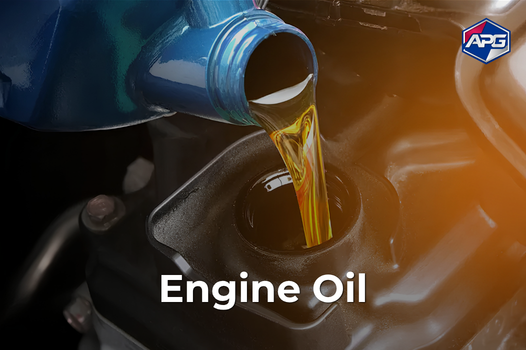
Engine oil is one of the most important fluids in a vehicle.
It lubricates moving engine parts and reduces direct metal-to-metal contact. It also helps carry heat and contaminants away from internal components.
Over time, engine oil can become:
- Dark
- Contaminated
- Diluted
- Oxidised
- Less effective
- Too low because of leakage or consumption
How to Check Engine Oil
Park the vehicle on level ground and switch off the engine. Allow enough time for the oil to settle.
Then:
- Open the bonnet.
- Locate the engine-oil dipstick.
- Remove and wipe it clean.
- Insert it fully.
- Remove it again.
- Check the oil level.
- Observe the oil condition.
The level should remain between the minimum and maximum marks.
Do not overfill the engine. Excessive oil can also create performance problems.
Warning Signs of an Oil Problem
- Oil warning light
- Burning-oil smell
- Oil under the parked vehicle
- Unusual engine noise
- Blue exhaust smoke
- Frequent drop in oil level
- Thick or contaminated oil
An oil warning light should not be ignored. Stop safely and check the vehicle according to the manufacturer’s instructions.
2. Engine Oil Filter
The engine oil filter removes contaminants from circulating oil.
These contaminants may include:
- Dirt
- Carbon deposits
- Soot
- Tiny metal particles
- Sludge
- Wear material
A blocked or poor-performing filter may reduce clean oil circulation.
The oil filter is normally replaced with the engine oil. Reusing an old filter with fresh oil can allow trapped contaminants to remain inside the lubrication system.
Heavy-duty engines require filters developed for higher workloads. The Fleetguard LF670 oil filter is one example designed for demanding diesel applications.
3. Engine Air Filter
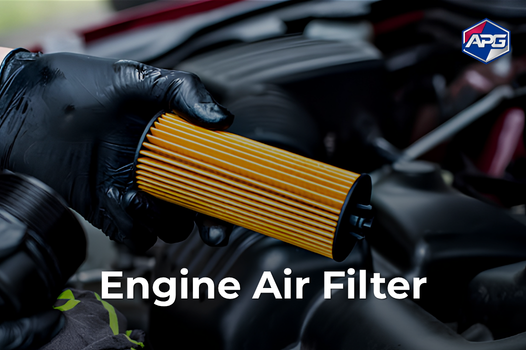
An engine needs clean air for combustion.
The engine air filter prevents dust, sand, insects, leaves, and other debris from entering the air-intake system.
A dirty filter may contribute to:
- Reduced acceleration
- Poor engine response
- Increased fuel use
- Unusual intake noise
- Reduced performance under load
Inspect the air filter more frequently when the vehicle is used on dusty roads.
Commercial vehicles may require larger filtration products, such as a Foton heavy-duty air filter or a Hino FL outer air filter.
Do Not Judge a Filter Only by Colour
Some filters appear dark because of the materials used during manufacturing. Others may look reasonably clean on one side while being restricted deeper inside.
A proper inspection should consider:
- Dirt buildup
- Damaged material
- Oil contamination
- Moisture
- Torn seals
- Incorrect fitting
- Cracks in the housing
4. Fuel Filter
Fuel can contain small particles, moisture, rust, or storage-tank deposits.
The fuel filter helps prevent these contaminants from reaching the engine’s fuel-delivery components.
A restricted fuel filter may cause:
- Hard starting
- Engine hesitation
- Weak acceleration
- Loss of power
- Rough running
- Engine stalling
- Poor performance at higher speeds
Diesel fuel systems can be particularly sensitive to water and dirt. Some diesel vehicles use a water separator that must be checked and drained according to the maintenance instructions.
The Guard Standard Series fuel filter is an example of a product intended to support cleaner fuel delivery.
5. Cabin AC Filter
The cabin AC filter cleans air entering through the ventilation and air-conditioning system.
It may collect:
- Road dust
- Pollen
- Leaves
- Smoke particles
- Soot
- Insects
- Other airborne debris
A dirty cabin filter can reduce airflow and make the blower work harder.
Signs the Cabin Filter Needs Attention
- Weak air from vents
- Bad smell when the AC starts
- Dust inside the cabin
- Slow windscreen demisting
- Noisy fan operation
- Poor cabin cooling experience
The cabin filter is often overlooked because it does not directly affect engine operation. However, it contributes to passenger comfort and ventilation performance.
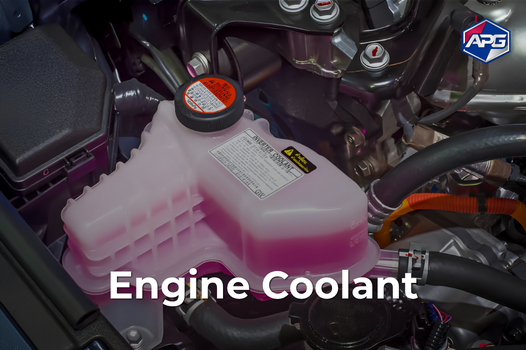
6. Engine Coolant
Coolant circulates through the engine and radiator to help control temperature.
It also helps protect cooling-system components against corrosion and deposits.
A cooling system may develop problems because of:
- Low coolant
- Leaking hoses
- Damaged radiator
- Weak radiator cap
- Faulty water pump
- Blocked passages
- Poor coolant condition
- Cooling-fan failure
Drivers can review different vehicle-cooling products through the APG coolant collection.
Examples include Guard anti-rust and anti-freeze coolant and Kangaroo Cosmic radiator coolant.
Important Coolant Safety
Never open a hot radiator cap.
The cooling system may be pressurised, and hot fluid can cause serious burns.
Allow the engine to cool completely before checking the radiator or expansion tank.
Always use the coolant type recommended for the vehicle. Different products should not be mixed without first confirming compatibility.
7. Brake Fluid
Brake fluid transfers force from the brake pedal to the braking components.
The brake-fluid reservoir is usually located inside the engine compartment.
Low brake fluid may indicate:
- Worn brake pads
- A fluid leak
- A hydraulic-system problem
- Incorrect previous servicing
Warning signs may include:
- Soft brake pedal
- Brake warning light
- Increased stopping distance
- Fluid near a wheel
- Brake pedal sinking
- Frequent need to add fluid
Brake problems are safety-critical. A qualified technician should inspect the vehicle immediately when braking performance changes.
Do not continue driving a vehicle with unreliable brakes.
8. Transmission Fluid
Transmission fluid lubricates and protects transmission components.
In automatic vehicles, it also supports hydraulic operation and gear changes.
Possible signs of a transmission-fluid problem include:
- Delayed gear engagement
- Rough gear changes
- Shuddering
- Transmission slipping
- Fluid leakage
- Burning smell
- Unusual noise
- Dashboard warning light
Not every vehicle uses the same checking method. Some transmissions have a dipstick, while others require workshop equipment and a specific temperature-checking procedure.
Always follow the vehicle’s maintenance guide.
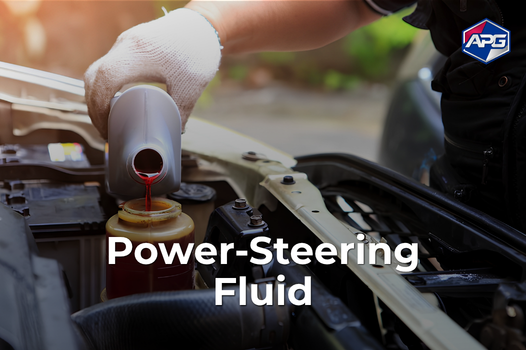
9. Power-Steering Fluid
Some vehicles use hydraulic power steering, while newer vehicles may use electric power steering.
In hydraulic systems, low or contaminated fluid can affect steering assistance.
Possible signs include:
- Heavy steering
- Whining sound
- Fluid leakage
- Difficulty turning at low speed
- Foamy fluid in the reservoir
A leak should be repaired instead of repeatedly adding more fluid.
10. Windscreen-Washer Fluid
Windscreen-washer fluid may appear less important than engine oil or coolant, but clear visibility is essential for safe driving.
The washer system removes:
- Dust
- Mud
- Insects
- Road spray
- Light oily deposits
Check the washer-fluid level before:
- Long journeys
- Motorway travel
- Rainy weather
- Dusty-road travel
- Monsoon season
Also inspect the washer nozzles and wiper blades.
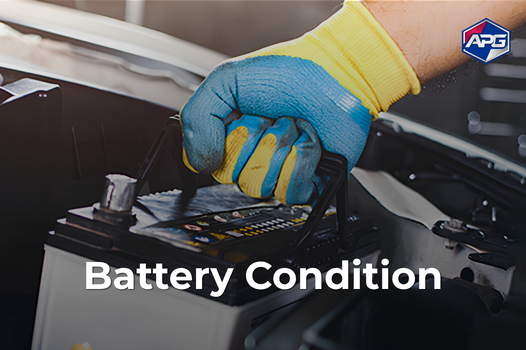
11. Battery Condition
Many modern batteries are sealed and do not require fluid topping.
Traditional serviceable batteries may require their electrolyte level to be checked carefully.
Regardless of battery type, inspect for:
- Corrosion around terminals
- Loose connections
- Cracked battery casing
- Swelling
- Slow engine cranking
- Dim lights during starting
- Repeated battery failure
Battery acid is dangerous. Wear suitable protection and avoid direct contact.
A Monthly Maintenance Checklist
A simple monthly inspection can identify many problems early.
Check:
- Engine-oil level
- Coolant level
- Brake-fluid level
- Washer-fluid level
- Visible fluid leaks
- Battery terminals
- Tyre pressure
- Tyre condition
- Exterior lights
- Wiper blades
- Dashboard warning lights
- Unusual noises
- AC airflow
- Exhaust smoke
Record the date and mileage after each inspection.
Checks to Perform During Every Service
Ask the mechanic to inspect:
- Engine air filter
- Oil filter
- Fuel filter
- Cabin filter
- Engine oil
- Coolant condition
- Brake fluid
- Transmission fluid
- Belts
- Hoses
- Battery
- Brakes
- Tyres
- Suspension
- Visible leaks
The APG automotive product gallery can help drivers become familiar with different filters, fluids, and vehicle-maintenance products.
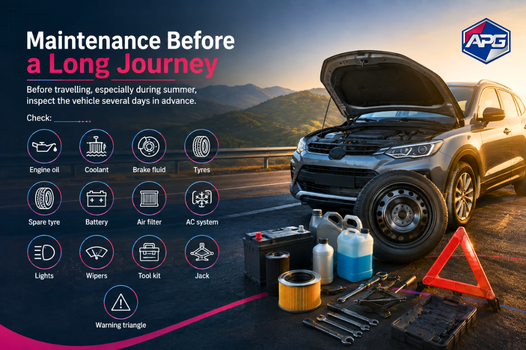
Maintenance Before a Long Journey
Before travelling, especially during summer, inspect the vehicle several days in advance.
Check:
- Engine oil
- Coolant
- Brake fluid
- Tyres
- Spare tyre
- Battery
- Air filter
- AC system
- Lights
- Wipers
- Tool kit
- Jack
- Warning triangle
Do not wait until the morning of the journey to discover a fluid leak, weak battery, or damaged tyre.
Maintenance for Heavy and Commercial Vehicles
Fleet vehicles often cover long distances, carry heavy loads, and remain in operation for extended hours.
Maintenance should be based on:
- Mileage
- Engine hours
- Route conditions
- Vehicle load
- Fuel use
- Driver reports
- Inspection findings
- Previous service history
Workshops and fleet managers can use a heavy-vehicle filter replacement checklist to organise maintenance and reduce missed inspections.
A written maintenance record should include:
- Vehicle number
- Service date
- Mileage
- Engine hours
- Parts replaced
- Fluids used
- Mechanic’s name
- Problems found
- Next service date
This reduces missed maintenance and makes recurring faults easier to identify.
Common Preventive-Maintenance Mistakes
Waiting for a Warning Light
Some problems do not activate a dashboard warning immediately. Manual checks remain important.
Using the Wrong Fluid
Using unsuitable engine oil, coolant, brake fluid, or transmission fluid can affect vehicle performance and component life.
Mixing Different Coolants
Coolant colour alone does not confirm compatibility. Mixing unsuitable products may reduce protection or create deposits.
Replacing a Filter Without Cleaning the Housing
Dust and debris left inside the filter housing may contaminate the new filter or enter the system.
Ignoring Small Leaks
A small leak can become larger. It may also indicate a damaged hose, seal, gasket, radiator, pump, or connection.
Topping Up Without Finding the Cause
A fluid that repeatedly becomes low usually has an underlying problem. Find and repair the cause instead of continually adding more fluid.
Buying Parts Only by Appearance
Two filters may look similar but have different dimensions, seals, flow requirements, or applications.
Keeping No Service Records
Without records, it becomes difficult to remember when each filter or fluid was last replaced.
Create a Simple Maintenance Record
A basic maintenance record can include:
| Maintenance Item | Date Checked | Mileage | Condition | Next Action |
| Engine oil | ||||
| Oil filter | ||||
| Air filter | ||||
| Fuel filter | ||||
| Cabin filter | ||||
| Coolant | ||||
| Brake fluid | ||||
| Transmission fluid |
Keep receipts and workshop reports with the maintenance record.
When to Visit a Mechanic Immediately
Arrange a professional inspection when you notice:
- Engine overheating
- Oil-pressure warning
- Brake warning light
- Rapid fluid loss
- Strong burning smell
- Smoke from the engine area
- Difficulty steering
- Unreliable brakes
- Engine knocking
- Transmission slipping
- Repeated stalling
- Fuel leakage
- Coolant leakage
- Large oil leak
Continuing to drive may increase the damage or create a serious safety risk.
Conclusion
Preventive maintenance is not only about changing engine oil.
A complete maintenance routine should include filters, coolant, brake fluid, transmission fluid, washer fluid, battery condition, hoses, belts, tyres, and visible leaks.
The most effective approach is simple:
- Check fluid levels regularly
- Inspect filters during routine servicing
- Follow the vehicle’s maintenance schedule
- Respond quickly to warning signs
- Keep written service records
- Use suitable maintenance products
- Repair leaks instead of repeatedly topping up fluids
Small checks can prevent larger problems.
Protect your vehicle before the next breakdown occurs. Visit the APG online shop to explore automotive filters, coolants, and car-care products for regular preventive maintenance.
Frequently Asked Questions
How often should I check my car fluids?
Basic fluid levels should be checked regularly and before long journeys. The exact schedule depends on the vehicle and how it is used.
Can I check coolant while the engine is hot?
No. Never open a hot radiator cap. Wait until the engine has completely cooled.
Should the oil filter be changed with engine oil?
In most vehicles, the oil filter is replaced during the oil change. Follow the instructions provided for your vehicle.
Why does engine oil turn dark?
Oil collects contaminants while operating. Dark colour alone does not always mean the oil has failed, but overdue, thick, diluted, or contaminated oil should be inspected.
Can I mix different coolant colours?
Do not use colour as the only guide. Different products may use different formulations. Confirm compatibility before mixing.
What does low brake fluid mean?
It may indicate worn brake pads, leakage, or another braking-system issue. Have the vehicle inspected instead of only adding more fluid.
Why is my AC airflow weak?
A dirty cabin filter is one possible cause. Blower problems, blocked vents, evaporator issues, or other AC faults may also reduce airflow.
Can a dirty fuel filter cause difficult starting?
Yes. A restricted fuel filter may reduce fuel delivery, but battery, ignition, injector, pump, and engine problems can cause similar symptoms.
Is preventive maintenance cheaper than repairs?
Routine inspections and timely servicing can help identify smaller issues before they damage more expensive components.
Why should I keep a maintenance record?
A maintenance record helps you track filter changes, fluid replacements, inspections, repairs, and upcoming service requirements.